
Zinc and Manganese for Corn: Iowa This June
On June 15, tissue samples were pulled from corn near Fairfield, Iowa. Eight days later, after one pass of ZnAce and MnAce at a quart per acre each, the fields were sampled again. Zinc and manganese were both up, and in one field manganese climbed by nearly two-thirds.
Those numbers deserve a closer look. So does the bigger question behind them: why should a grower care how much zinc and manganese a corn plant is carrying in June?
Zinc Sets the Stage Early
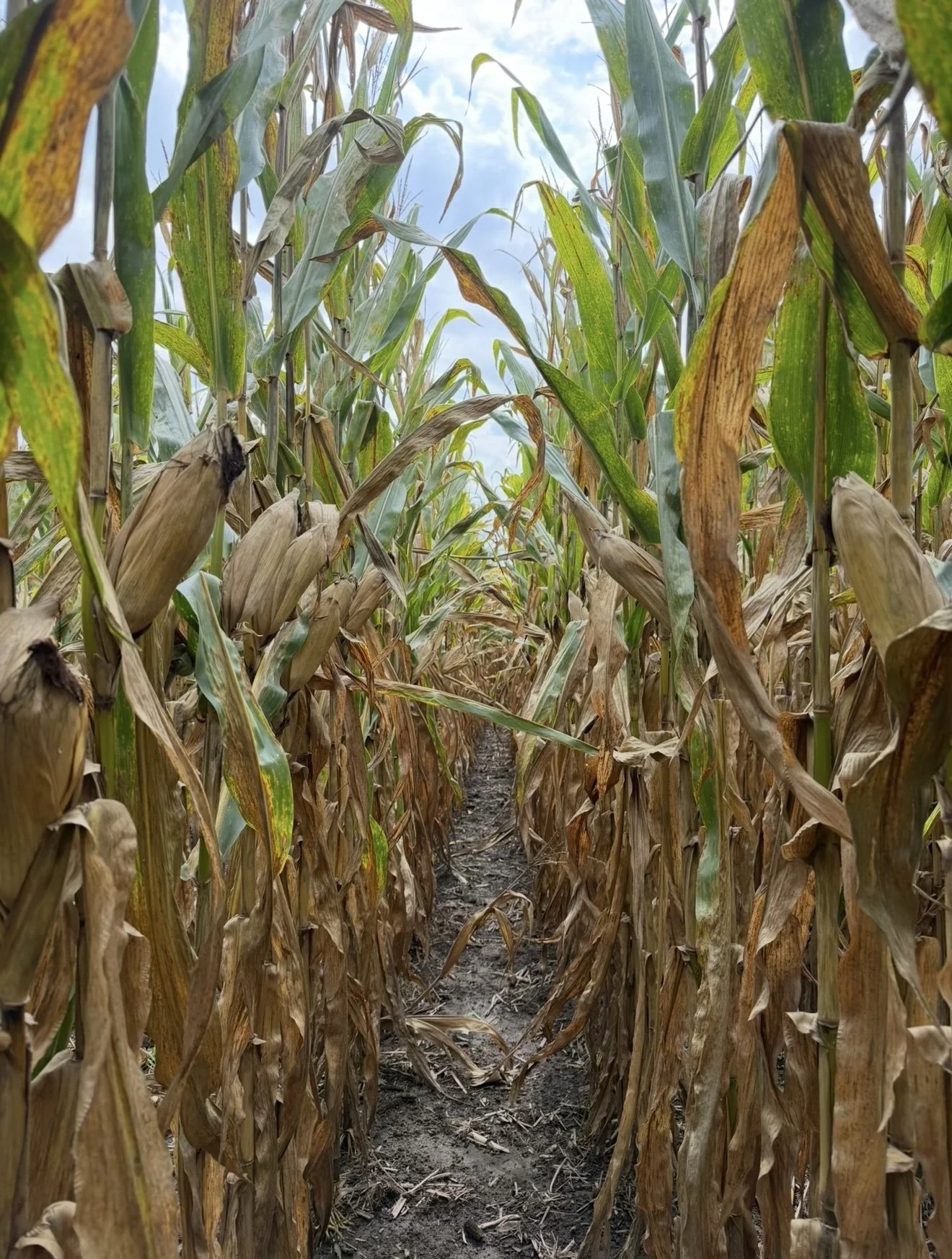
Corn is one of the more zinc-hungry crops in the Corn Belt. Zinc runs a long list of enzymes and helps the plant make auxin, the growth hormone behind cell elongation. When zinc runs short, the plant stays squat, internodes compress, and the newer leaves show pale bands on either side of the midrib.
Timing is where yield comes in. The number of kernel rows on an ear gets decided during the vegetative stages, weeks before anyone sees a tassel. A plant that runs low on zinc through that stretch can't go back and add rows later. Zinc stress can also push silking back a few days, and in a hot July that turns pollination into a gamble.
Zinc is harder to come by on high-pH ground, eroded hilltops with thin organic matter, and fields carrying a lot of phosphorus. A cold, wet spring makes it worse, since roots aren't exploring much soil.
Manganese Keeps Photosynthesis Running
Manganese does its most important work inside the leaf. It's part of the machinery that splits water during photosynthesis, the first step in turning sunlight into sugar. Short on manganese, that process slows down, and the plant has less carbohydrate to send to the ear during grain fill.
It also helps the plant build lignin, which stiffens cell walls. Tougher tissue holds up better against stalk problems and some leaf diseases.
The frustrating thing about manganese is how much its availability moves around. Soil pH, organic matter, and moisture all shift it, and dry, well-aerated soil tends to tie more of it up. A field that tested fine in April can run short after a dry spell in June. Deficient plants usually yellow between the veins on younger leaves, which is easy to mistake for something else on a quick walk through the field.
Getting It Into the Plant
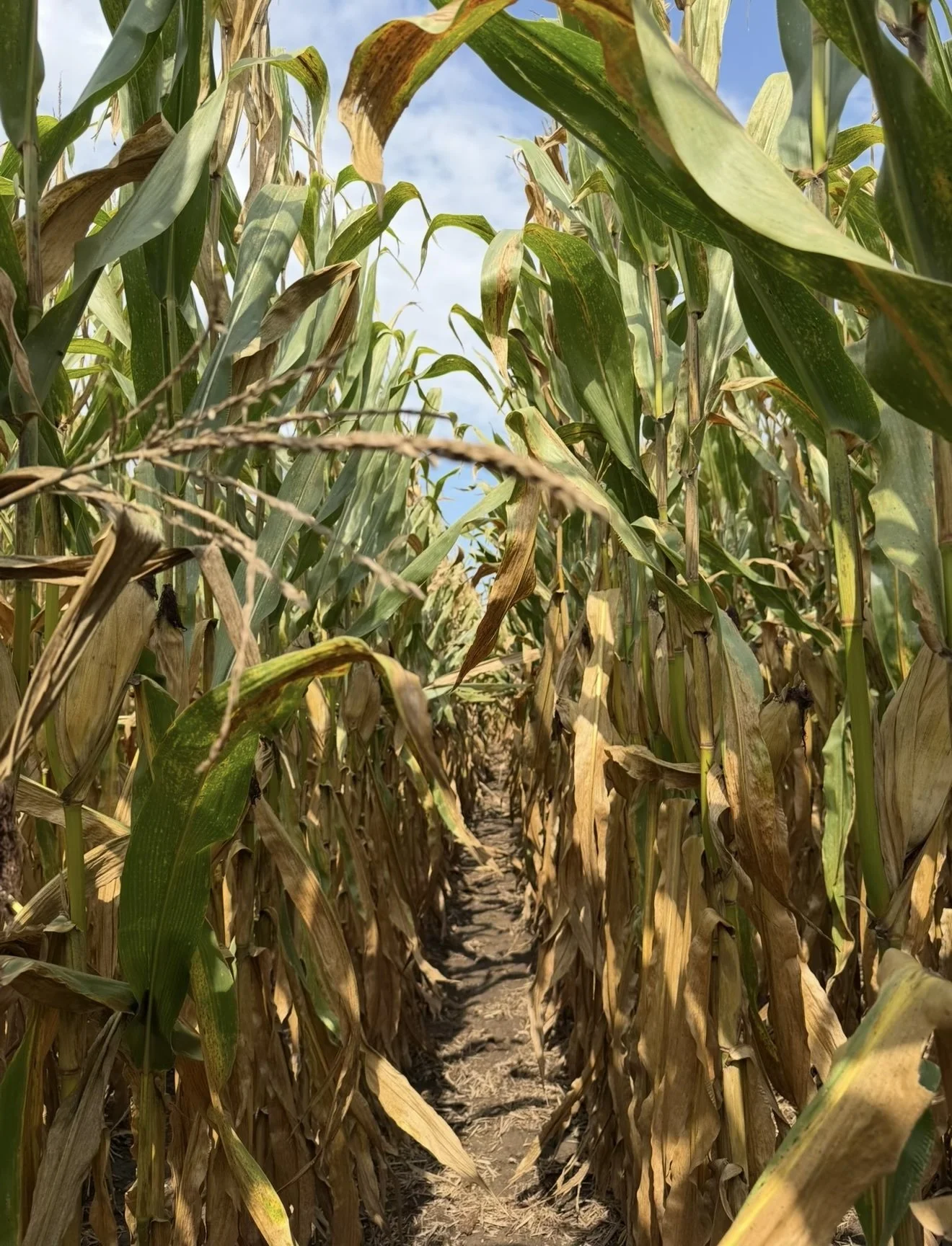
Putting zinc and manganese on a field and getting it into the crop are two separate problems. In the soil, both can get tied up before roots ever reach them. On the leaf, the product has to get past the waxy cuticle to do any good, and formulations vary a lot in how well they manage that.

That's where AFN™ Technology comes in. AFN stands for Acetate Foliar Nutrition. Instead of pairing a nutrient with a large chelate like EDTA, CultivAce pairs it with acetate, a small and simple organic molecule. The acetate form is designed to move into leaf tissue quickly. CultivAce now carries more than 12 acetate products, including the ZnAce and MnAce used here.
The 2026 Fairfield Trial
Both fields were sampled June 15, treated with 1 quart/acre of ZnAce and 1 quart/acre of MnAce, and sampled again June 23.
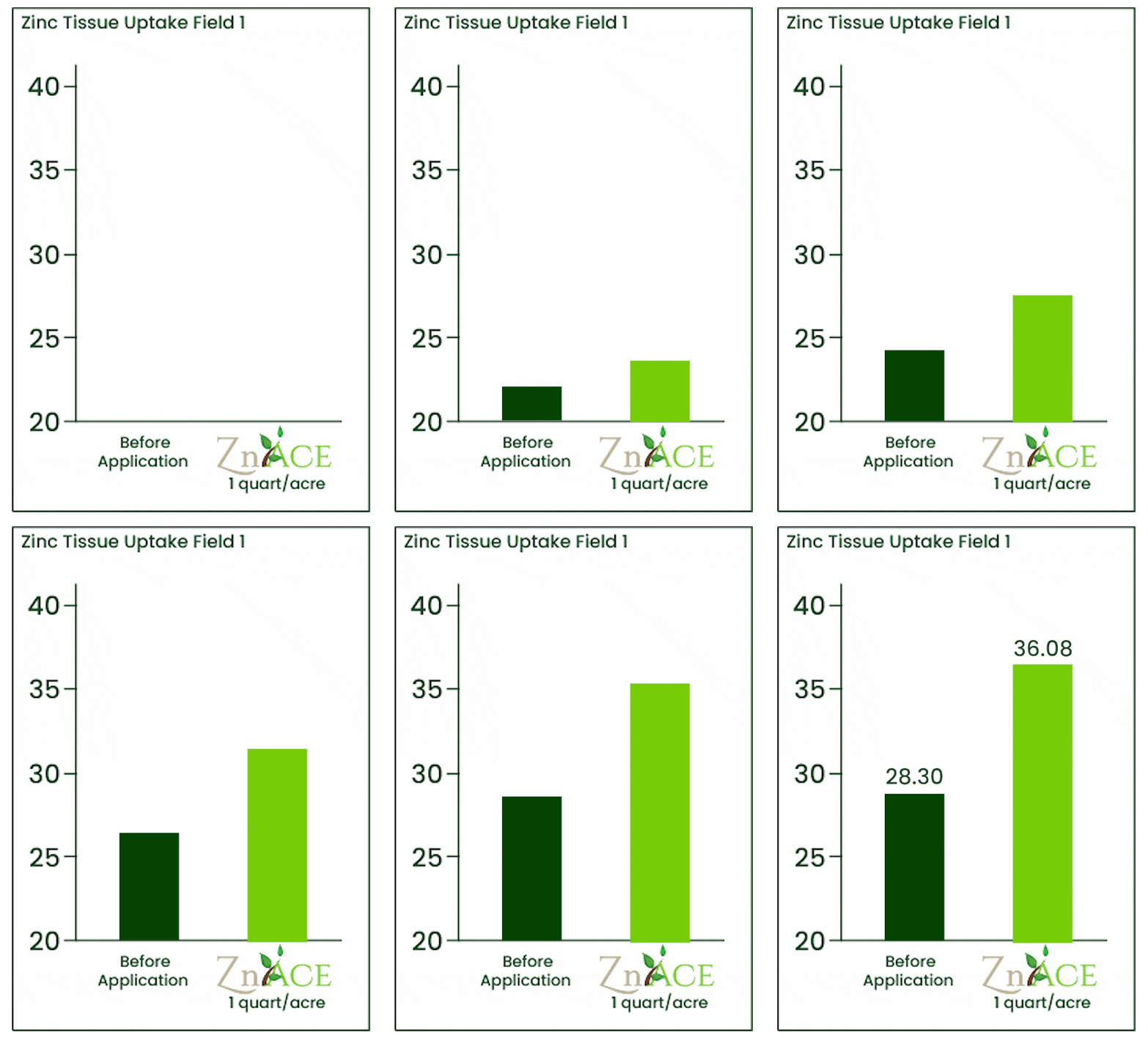
Field 1
Zinc tissue concentration:
28.30 ppm before application
36.08 ppm after (27.5% increase)
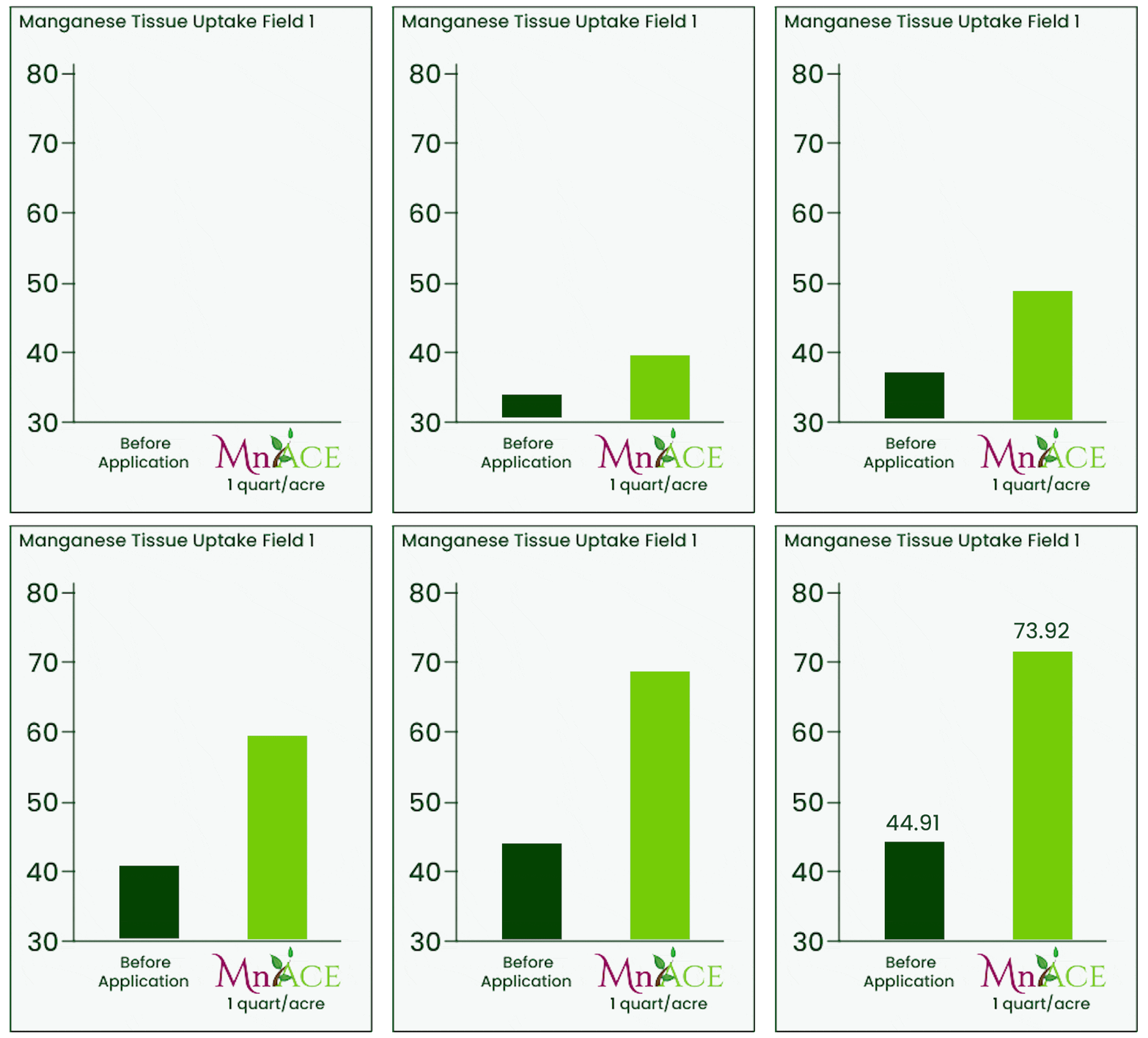
Manganese tissue concentration:
44.91 ppm before application
73.92 ppm after (64.6% increase)
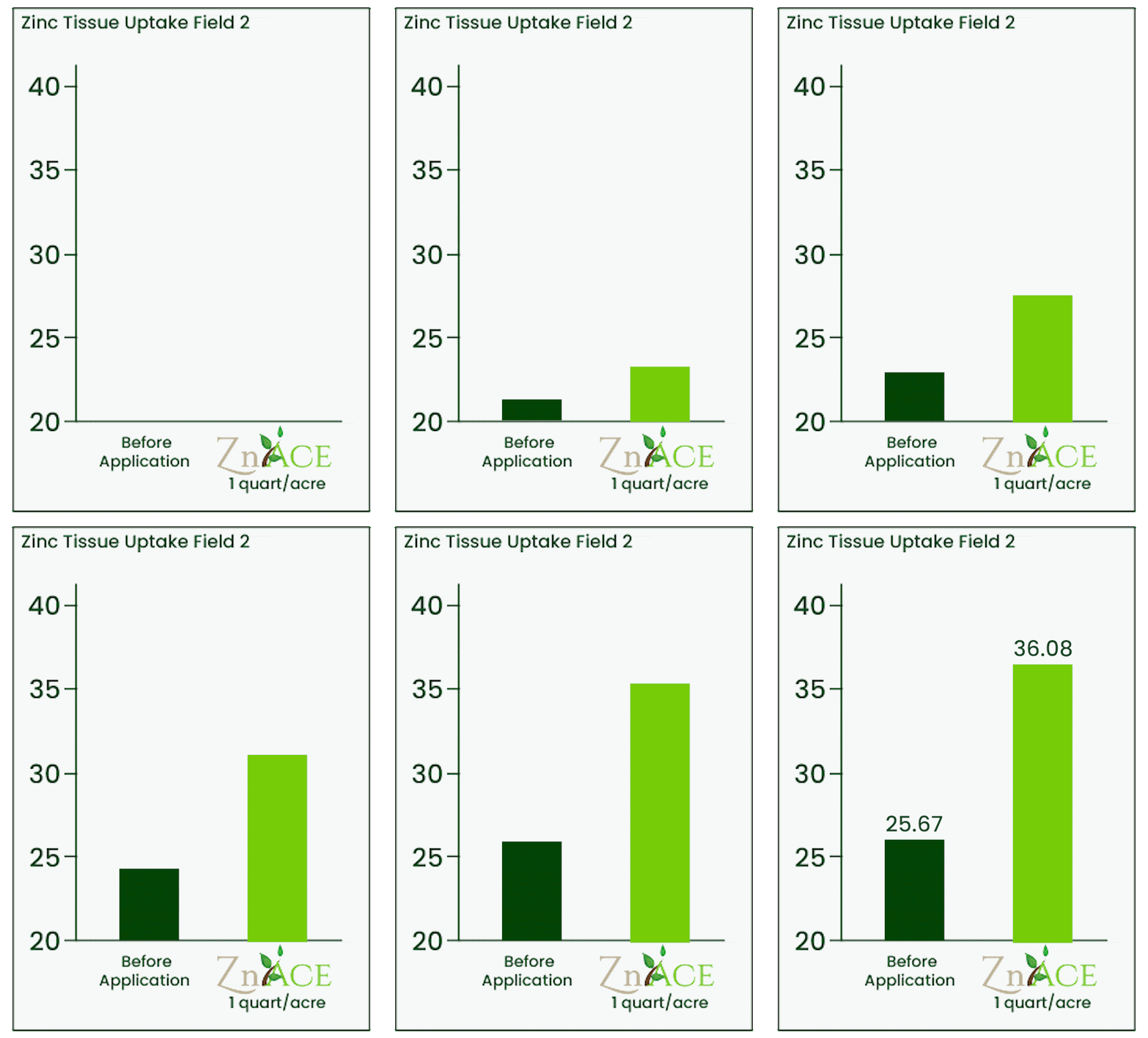
Field 2
Zinc Tissue Concentration:
25.67 ppm before application
36.08 ppm after (40.6% increase)
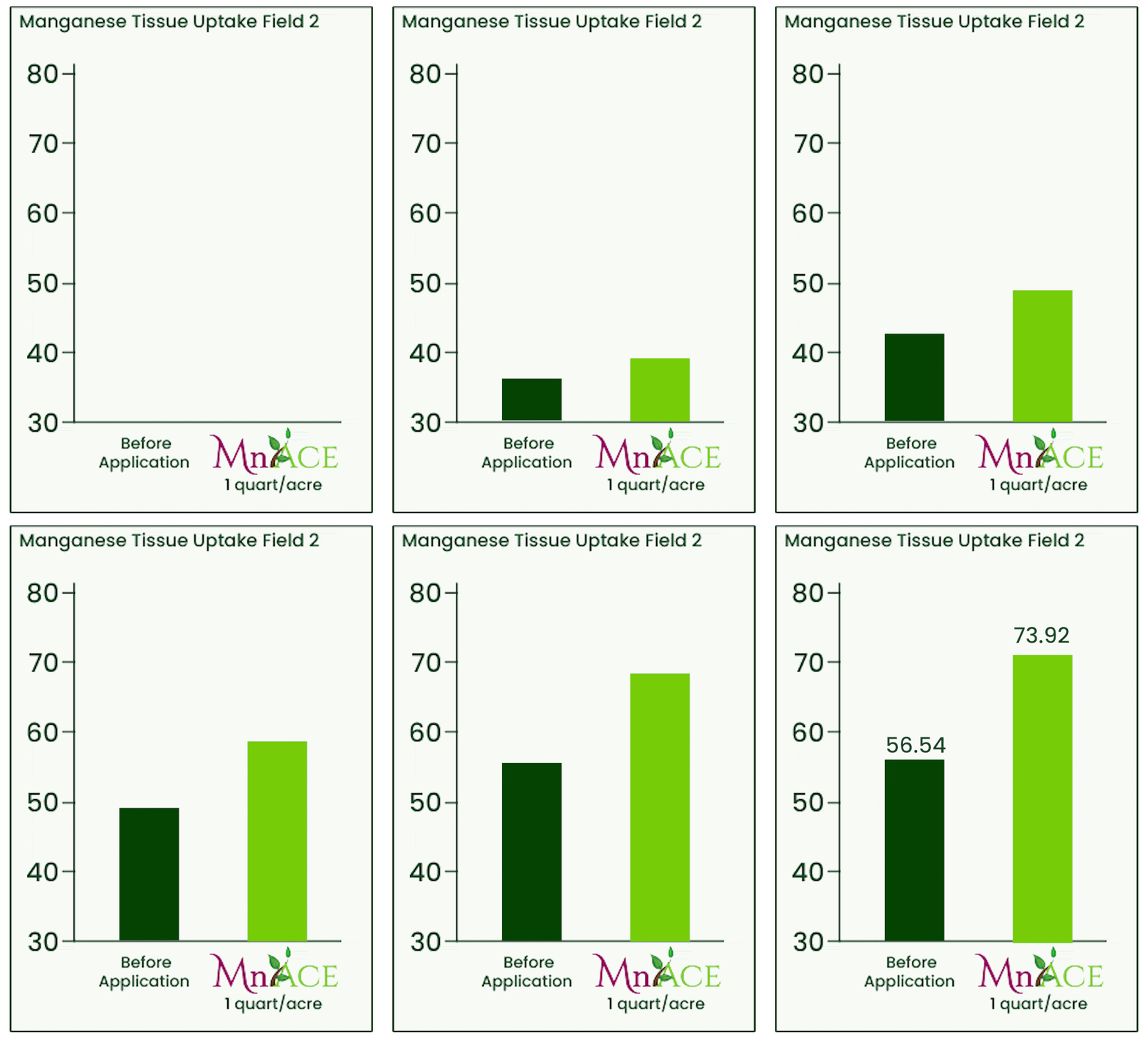
Manganese Tissue Concentration:
56.54 ppm before application
73.92 ppm after (30.7% increase)
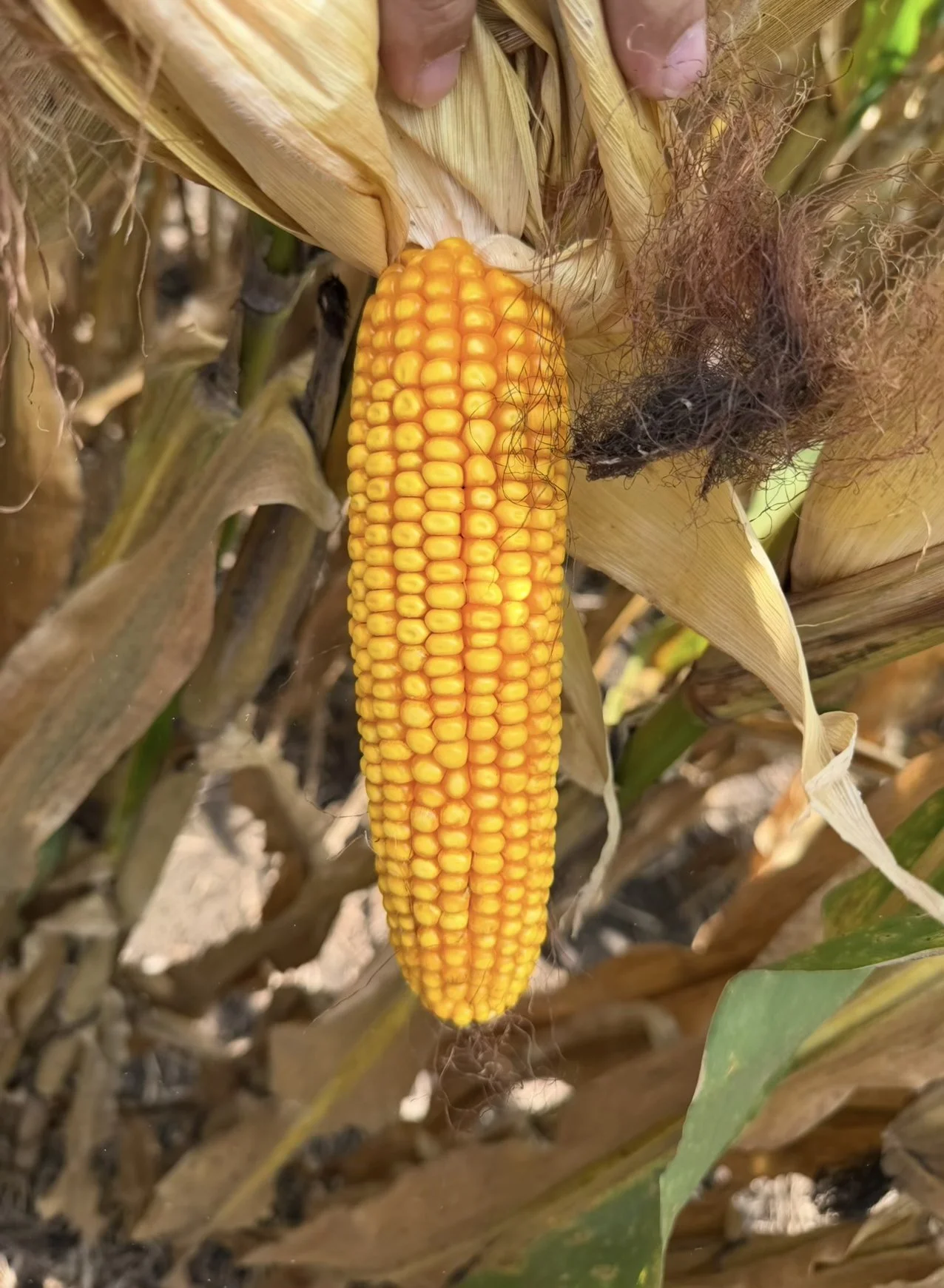
Trial Field Photo - Field 2
Field 1 had the bigger manganese response, going from 44.91 to 73.92 ppm in eight days. Field 2 started with less zinc and posted the larger zinc gain.
A before-and-after comparison like this has no untreated strip, so on its own it can't separate the product from everything else going on in the field over those eight days. CultivAce has run that side-by-side in other trials. In a 2023 third-party trial, zinc acetate raised tissue zinc 142% over EDTA and 158% over the untreated check. In a 2024 California trial, MnAce beat an amino acid chelate by 28% and EDTA by 29% for tissue manganese. Fairfield adds on-farm corn data to that record. [Link: Fertilizer Trials page]
Fitting It Into Your Program
ZnAce and MnAce can ride along with a herbicide or fungicide pass, so there's no extra trip across the field. As with any tank mix, run a jar test first.
To get a real read on the application, pull a tissue sample before you spray so you know where you're starting. Apply during the vegetative stages, while the plant is building its ear and demand is climbing. If you can, leave an untreated strip so you have something to compare at harvest. Then sample again about a week later and see what moved.
Want to see how ZnAce and MnAce would fit on your acres? Talk to your CultivAce rep or find a dealer near you.